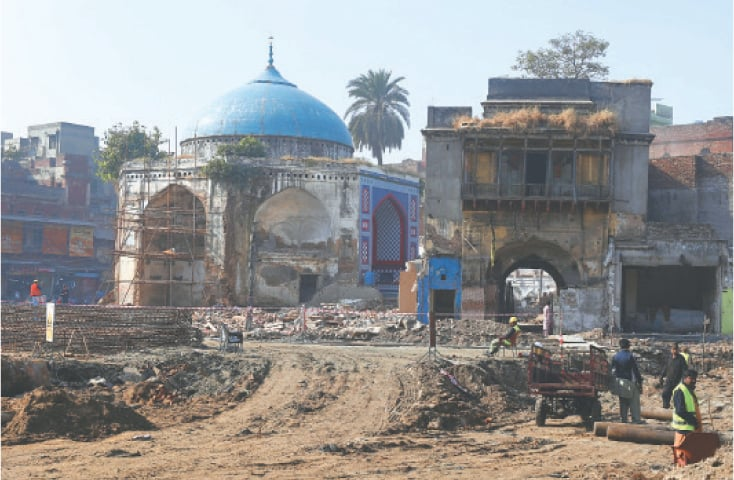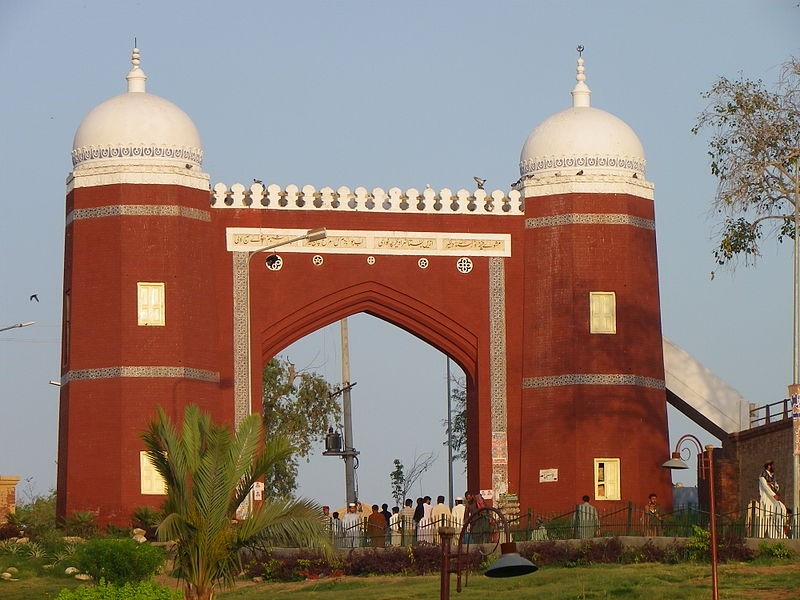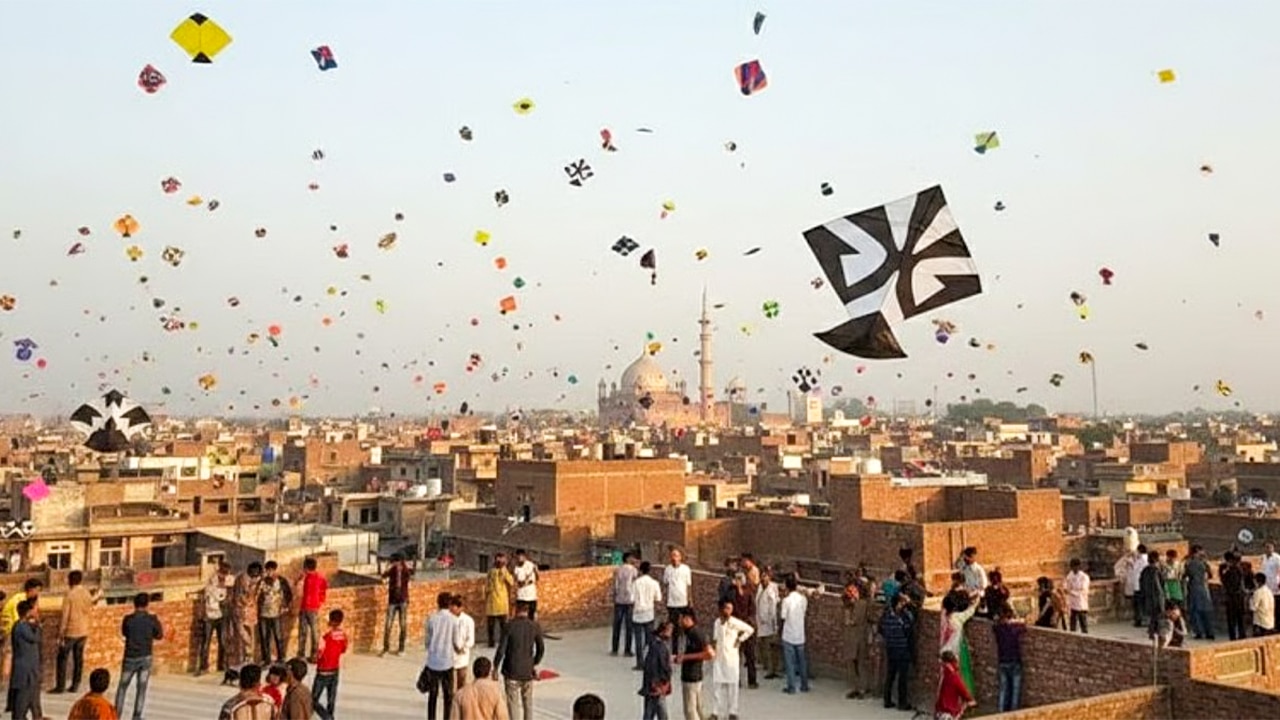
The air carries whispers of spring, and with it, the promise of something Lahore has longed for over two decades. As February 2026 approaches, the city prepares to reclaim its skyline, not with steel and concrete, but with the dance of a thousand colorful kites. Basant, the festival that once defined Lahori identity, is making its triumphant return after nearly 20 years of silence.
The Sacred Roots: From Basant Panchami to Sufi Tradition
To understand Basant is to journey back centuries to the Hindu festival of Basant Panchami, celebrated on the fifth day of the lunar month of Magh. This ancient celebration marked the arrival of spring, honoring Goddess Saraswati, the deity of knowledge and arts. Yellow, the color of mustard fields in bloom and new beginnings, became the signature hue of the festival, worn by devotees as they welcomed the season of renewal.
But the story of Basant in Lahore is incomplete without the tale that transformed it from a Hindu festival into a symbol of shared cultural heritage. This transformation is woven into the spiritual bond between two souls: the great Sufi saint Hazrat Nizamuddin Auliya and his beloved disciple, the poet and musician Amir Khusro.
The Legend of Amir Khusro: When Yellow Brought Back a Smile
In 13th century Delhi, when Hazrat Nizamuddin Auliya was engulfed in grief following the death of a beloved companion, his khanqah fell silent. The saint who had brought solace to thousands could find none for himself. Amir Khusro, witnessing his master’s sorrow, searched desperately for a way to ease his pain.
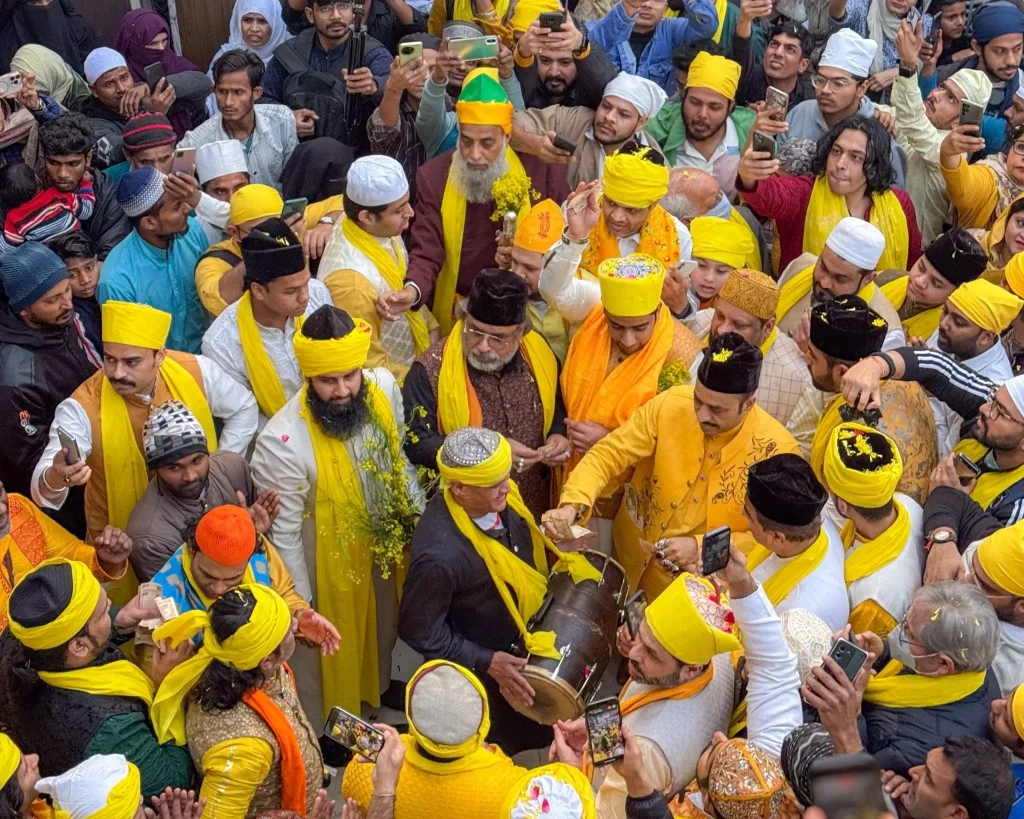
On Basant Panchami, as Khusro wandered near what is now Humayun’s Tomb, he saw Hindu women dressed in brilliant yellow, celebrating the arrival of spring with flowers and joy. Inspiration struck. Draping himself in yellow and gathering armfuls of yellow flowers, Khusro returned to his master’s presence and sang the immortal qawwali “Sakal Ban Phool Rahi Sarson” (The entire forest blooms with mustard flowers).
The gesture, simple yet profound, brought the first smile to Nizamuddin Auliya’s face in weeks. From that day forward, Basant Panchami became an integral part of Sufi tradition at the Nizamuddin Dargah, celebrated with yellow flowers, yellow clothing, and devotional music. The festival had crossed religious boundaries, becoming a celebration of love, renewal, and spiritual connection.
When Kites Took Flight: The Sikh Era and Cultural Evolution
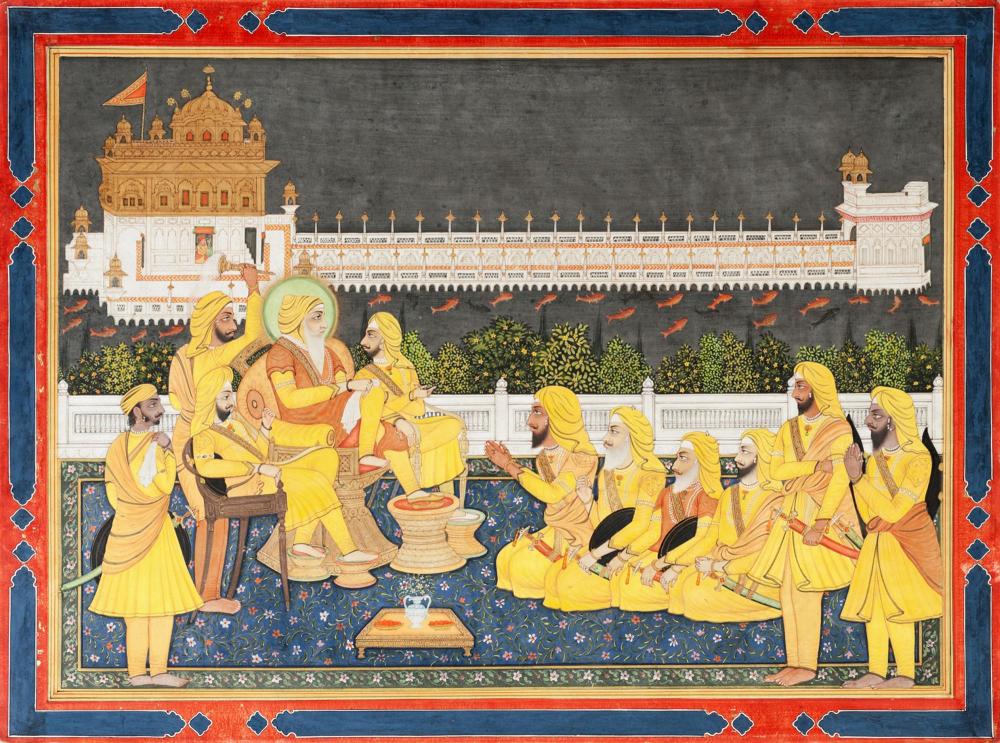
While the yellow of Basant Panchami symbolized spiritual awakening, it was the Sikh ruler Maharaja Ranjit Singh who added the element that would forever define Lahore’s Basant: kites. In the early 19th century, Maharaja Ranjit Singh began hosting grand annual Basant fairs where kite flying became a central feature. The Maharaja himself, along with his queen Moran, would dress in yellow and celebrate basant, establishing a tradition that would capture the imagination of Lahore for generations.
The kite became more than a toy; it became a metaphor for the human spirit, soaring free against the vast canvas of the sky. In a society divided by class, caste, and creed, all kites were equal in the sky. The rickshaw driver’s kite could challenge the mansion owner’s, engaging in aerial combat where skill mattered more than status. This democratizing spirit made Basant uniquely Punjabi, uniquely Lahori.
Basant in its Glory: When Lahore’s Skies Spoke in Color
For decades, Basant transformed Lahore into a city of dreams. As spring approached, the entire metropolis would begin preparations months in advance. Kite makers in the narrow lanes of the Walled City worked tirelessly, crafting kites of every conceivable size, shape, and color. The traditional “patang” in vibrant hues, the fighting kites with their razor-sharp manja (string), and elaborate designer kites competed for attention in the bazaars.
Rooftops, usually neglected spaces, became prime real estate. Families would clean and decorate their rooftops, install lighting, and prepare feasts. On Basant day, the entire city seemed to move upward as people climbed to their terraces, transforming Lahore’s skyline into an amphitheater of celebration. The sound of dhol drums mixed with triumphant shouts of “Bo Kata!” (The kite is cut!) as skilled flyers engaged in aerial duels.
The festival was accompanied by traditional music, especially the playing of dhol and the singing of Punjabi folk songs. Food stalls would serve traditional delicacies like saag and makki di roti, along with sweet treats in yellow hues to honor the festival’s roots. Night celebrations continued with illuminated kites called “fan” or “chand tara” floating against the dark sky, powered by oil lamps.
Basant was more than a festival; it was an identity. International tourists would flock to Lahore specifically for this spectacle. Hotels would be booked months in advance, and the city’s economic activity would surge. For many Lahoris, Basant held a significance that rivaled even religious festivals like Eid.
The Dark Turn: When Celebration Became Tragedy
However, by the early 2000s, the festival’s joyous nature began to be overshadowed by increasing casualties. The competitive spirit that had once been healthy rivalry escalated dangerously. The use of metal-coated string (called “door”), designed to cut rival kites more effectively, became widespread. These lethal strings could slice through anything in their path, including human throats.
Motorcyclists became particularly vulnerable victims. Reports began emerging of riders being decapitated or severely injured by stray kite strings stretched across roads. Children chasing falling kites would fall from rooftops. The celebratory gunfire that had become part of the festivities added another deadly dimension, with stray bullets causing fatalities.
In 2005, following reports of 19 deaths and over 200 injuries during the festival, the Supreme Court of Pakistan took suo moto notice and imposed a ban on kite flying. The ban was briefly lifted and then reinstated in 2007 after another deadly Basant claimed 10 lives. Under President Musharraf’s administration, a formal ban was imposed. Despite brief periods of lifting and re-imposition, the ban remained effectively in place for nearly two decades.
The sky above Lahore, once a riot of color, fell silent. An entire generation grew up hearing stories of Basant but never experiencing it. The kite makers of the old city, carrying skills passed down through generations, found their craft obsolete overnight.
Art as Resistance: Dr. Ajaz Anwar’s Visual Archive
During these silent years, when Basant existed only in memory, one man continued to keep the festival alive through his art. Dr. Ajaz Anwar, the renowned watercolor painter and educator, made it his mission to preserve Old Lahore on canvas, and Basant featured prominently in his oeuvre.
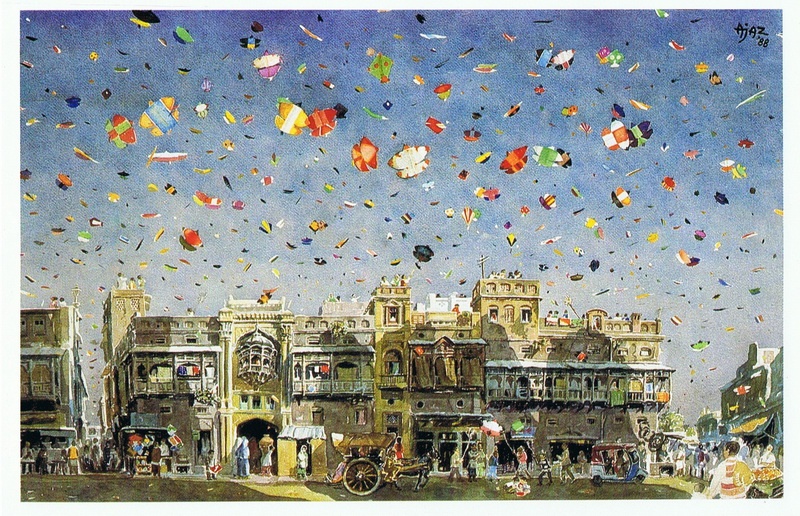
Despite the ban, despite the controversy, Anwar’s paintings continued to feature kites soaring over Lahori rooftops, capturing the essence of what the festival had meant to the city. His works, particularly “Basant” and “Basant II,” became visual testimonies to a cultural tradition that authorities had banned but could not erase from collective memory.
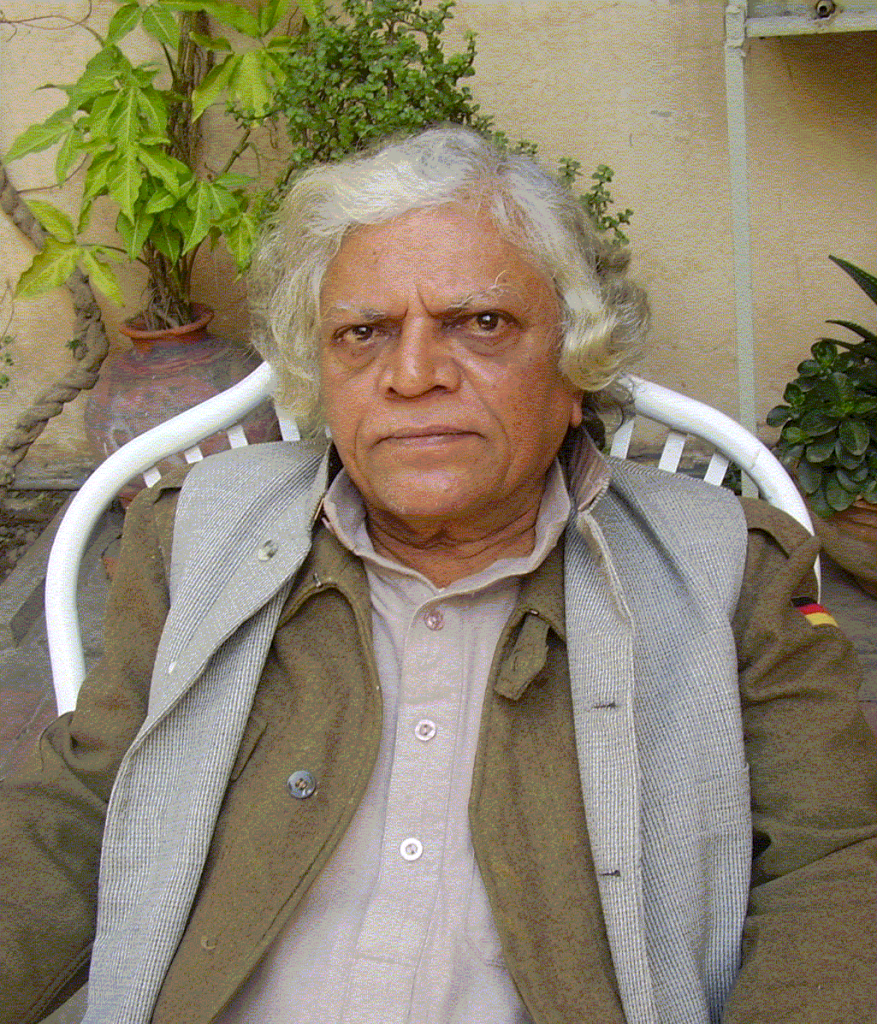
A gold medalist from Punjab University and former teacher at the National College of Arts Lahore, Dr. Anwar saw his artwork as more than aesthetics; it was an act of conservation. “Kites are another object one could instantly notice in his paintings; his works on Basant have their own romance and significance,” noted a Dawn profile of the artist.
In his TEDx talk titled “Painting the ‘deathbed’ of Lahore,” Dr. Anwar spoke passionately about preserving the city’s cultural legacy. His Basant paintings, with their vivid depictions of colorful kites against Lahore’s architectural heritage, served as a reminder of what had been lost and what could be reclaimed. They hung in galleries and private collections, keeping the visual memory of Basant alive when the skies could not.
For Culturise’s mission to preserve Pakistan’s intangible heritage, Dr. Anwar’s work represents the crucial role of art in cultural preservation. When a living tradition is banned, art becomes the archive, the witness, and the keeper of hope for revival.
The 2026 Revival: A Festival Reborn with Safety at its Heart
After nearly two decades of silence, Lahore’s skies are set to bloom again. Punjab Chief Minister Maryam Nawaz Sharif has approved the revival of Basant for February 6, 7, and 8, 2026, marking a landmark moment in the province’s cultural history. But this is not simply a return to the past; it is a carefully planned revival that prioritizes safety while honoring tradition.
The government has introduced the Punjab Kite Flying Ordinance, 2025, establishing a comprehensive safety framework. Lahore has been divided into Red, Yellow, and Green zones based on safety considerations. Only cotton kite string made of nine threads will be permitted, with the deadly metal-coated “door” remaining strictly banned. Celebrations will be confined to Lahore district for now, with plans to expand if the safety measures prove successful.
The modern Basant will feature multiple organized events across the city. Cultural festivals will include traditional music performances, food stalls serving Lahori delicacies, and exhibitions celebrating Punjab’s heritage. Shopping stalls will offer handcrafted kites made by artisans who have kept their skills alive despite the ban. Live performances of dhol players and folk singers will recreate the authentic Basant atmosphere.
Safety measures are paramount in the revival plan. Strict monitoring systems will be in place, with penalties for violations. The use of celebratory gunfire remains banned, and rooftop safety protocols have been established to prevent falls. Kite string manufacturers must register with authorities, and only approved materials can be used.
For a generation that has never experienced Basant, this represents more than a festival; it is a cultural homecoming. For older Lahoris, it is the return of a piece of their identity that was lost. The festival’s economic impact is also significant, reviving traditional crafts, boosting tourism, and creating employment opportunities.
Cultural Activities: Celebrating Heritage Beyond Kites
The 2026 Basant celebration extends far beyond kite flying. Various venues across Lahore are organizing comprehensive cultural events that showcase Punjab’s rich heritage:
Music and Performance: Traditional dhol performances, Sufi qawwalis reminiscent of the festival’s spiritual roots, and folk music concerts will fill the air. Live performances by renowned artists will take place at multiple locations, connecting contemporary celebration with historical tradition.
Culinary Heritage: Food festivals will feature traditional Basanti delicacies, with an emphasis on yellow-colored foods honoring the festival’s origins. From sweet treats like zarda and jalebi to savory dishes like saag, the culinary dimension of Basant will be fully celebrated.
Art Exhibitions: Galleries will showcase artworks depicting Basant through the decades, including retrospectives of artists like Dr. Ajaz Anwar who kept the visual memory alive during the ban years. Contemporary artists are creating new works inspired by the festival’s revival.
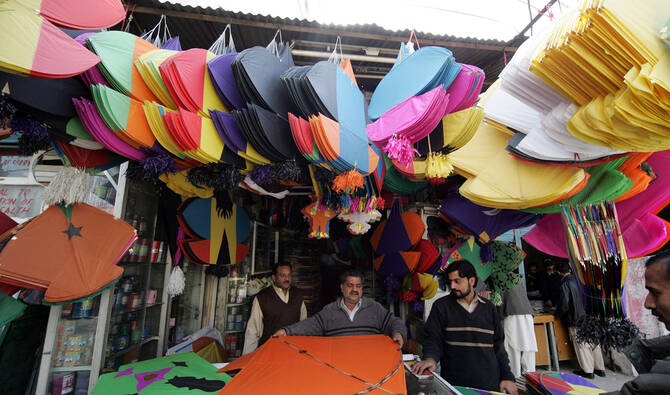
Craft Markets: The revival of Basant has breathed new life into traditional kite-making craft. Artisans from the Walled City will display their skills, offering everything from simple patangs to elaborate designer kites. These markets also feature other traditional crafts, textiles, and handicrafts.
A Festival Without Boundaries: Basant’s Universal Message
As Culturise’s vision emphasizes, Basant represents the best of Pakistani cultural heritage. It is a festival that originated in Hindu tradition, was embraced by Sufi Islam, flourished under Sikh patronage, and became a defining feature of Lahori and Punjabi identity. In a world often divided by religious and ethnic boundaries, Basant reminds us that culture can be a bridge.
The story of Amir Khusro bringing yellow flowers to his grief-stricken master teaches us that compassion and beauty transcend formal religious boundaries. The sight of kites from all neighborhoods competing as equals in the sky reminds us that humanity’s aspirations are universal. Dr. Ajaz Anwar’s paintings, preserving this heritage through the darkest period of the ban, demonstrate that cultural memory cannot be legislated away.
As February 2026 approaches, Lahore prepares not just to fly kites, but to reclaim a piece of its soul. The challenge will be balancing celebration with safety, tradition with responsibility. But if successful, Basant’s revival could mark the beginning of a new chapter, where Pakistan’s rich cultural heritage is celebrated, preserved, and passed on to future generations with both pride and prudence.
The skies above Lahore will soon speak in color again. And in that multicolored conversation, we will hear the echoes of Amir Khusro’s yellow flowers, Maharaja Ranjit Singh’s royal kites, and the dreams of millions who never stopped believing that spring would return to their city.
Welcome back, Basant. Lahore has been waiting.