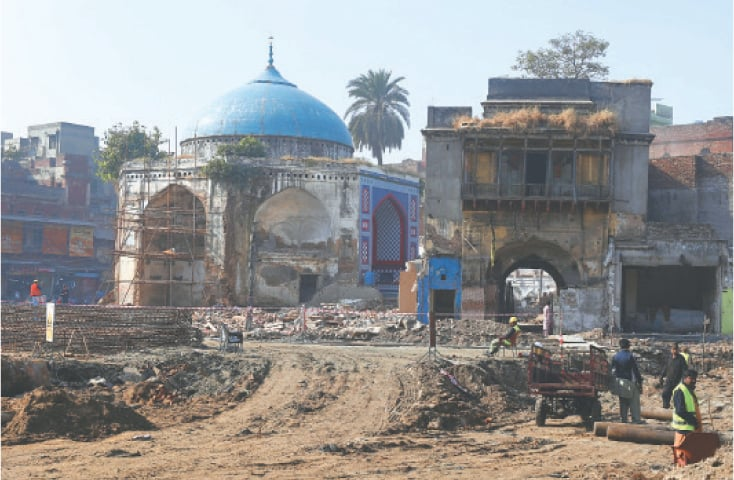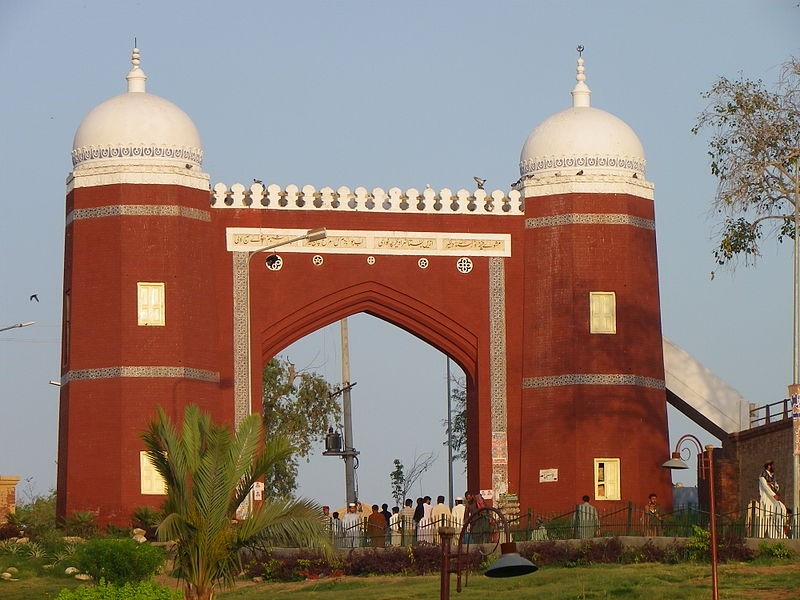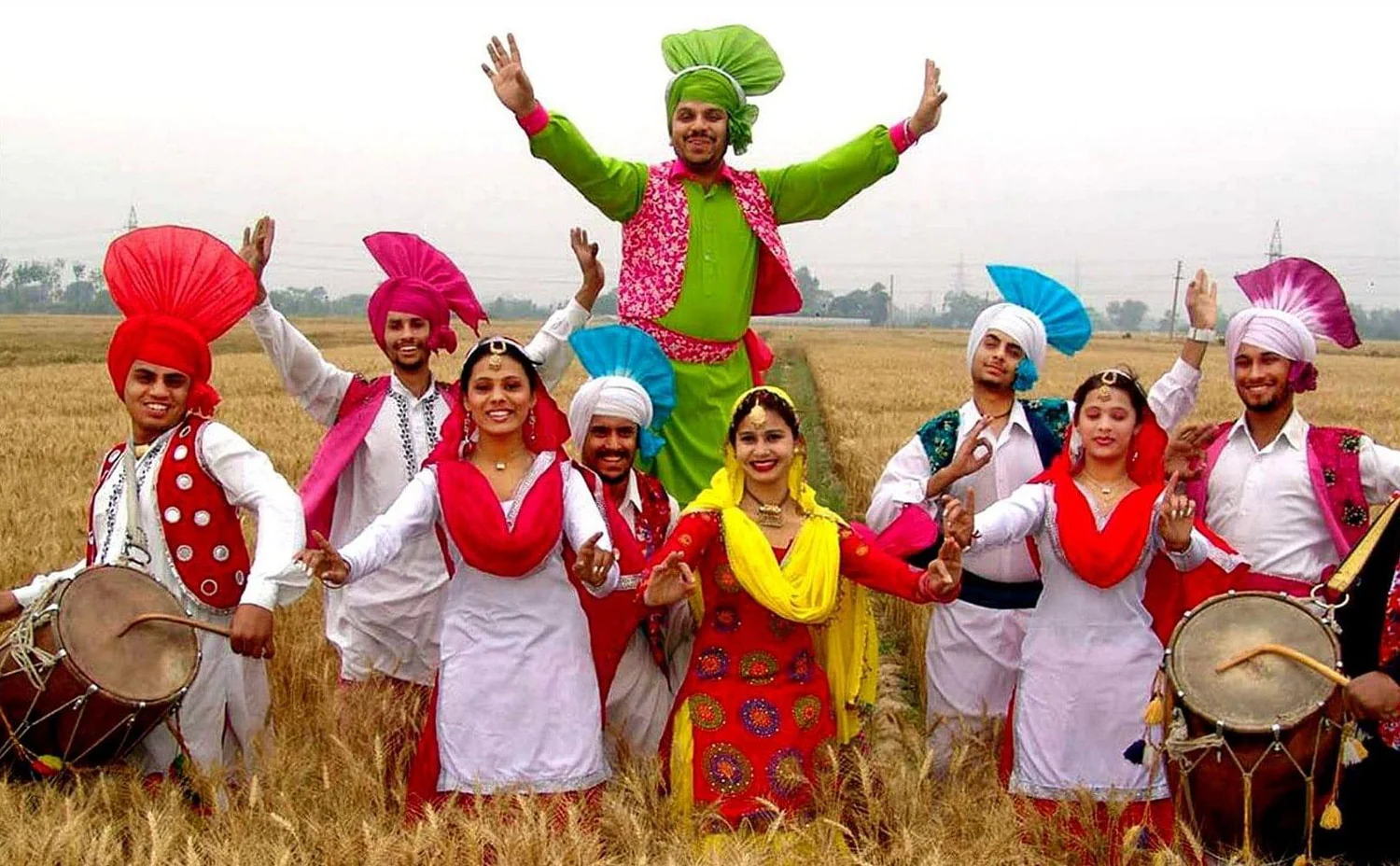
There was a time when Baisakhi in Lahore was more than a date on the calendar. It was a season of movement, colour, harvest, music, ritual, and reunion. It arrived with the end of the wheat harvest, with the scent of earth and grain in the air, and with people ready to celebrate both labour and life. Though today Baisakhi in Lahore survives mostly through visiting Sikh pilgrims, the festival once belonged to the city’s wider cultural memory, a memory shaped by farmers, faqirs, traders, families, and entire communities that gathered in joy.
More Than a Harvest Festival
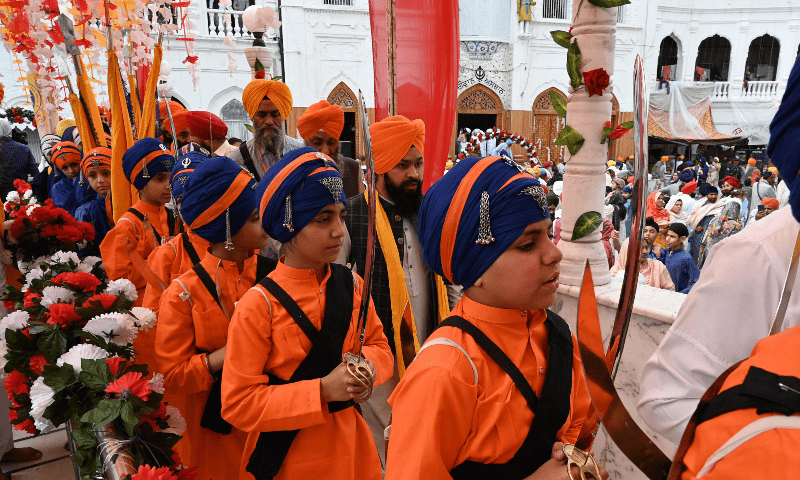
Baisakhi is one of Punjab’s great seasonal and cultural festivals, traditionally celebrated at the time of the wheat harvest. For agrarian communities, it marked abundance, gratitude, and the close of a demanding agricultural cycle. But Baisakhi also holds deep religious significance in Sikhism. In 1699, on this day, Guru Gobind Singh organized the Khalsa for the first time, making Baisakhi a sacred event in Sikh history.
Over time, the festival grew in symbolic importance. In Sikh tradition, key collective decisions continued to be associated with Baisakhi, and its sanctity deepened further in the centuries that followed. Yet Baisakhi was never confined to one meaning alone. Across the subcontinent, it has long been observed in different forms, often connected to the solar new year, seasonal renewal, and harvest celebrations. In that sense, Baisakhi belongs not only to religion, but also to land, labour, and the rhythms of life in Punjab.
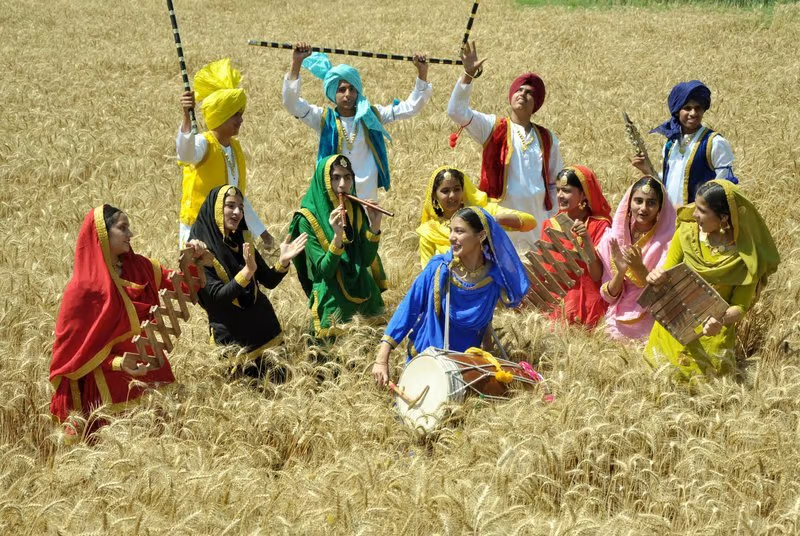
When Lahore Celebrated Baisakhi
Before Partition, Lahore celebrated Baisakhi with remarkable enthusiasm. Like the rest of Punjab, the city welcomed the festival as both a cultural and seasonal event. But Lahore’s celebrations were especially vibrant because of the city’s diverse social life. Baisakhi here was not limited to one faith community; it spilled into the public sphere as a shared celebration.
The festival was not confined to the city center either. In the areas around Lahore, Baisakhi fairs drew large gatherings. According to local historical accounts, a fair was held at Gurdwara Chhota Nankiana in Manga, while another major gathering took place in the village of Saman, near Raiwind. This fair, known as Ram Saman, attracted large numbers of Bairagi faqirs, many of whom traveled from across the subcontinent specifically to attend during Baisakhi.
These fairs were once significant enough to be noted in colonial records. They were not minor rural gatherings, but major public occasions animated by trade, mobility, devotion, and festivity. They remind us that Baisakhi in Lahore was part of a broader cultural geography, extending beyond the city’s formal boundaries into shrines, villages, and communal spaces.
The Ravi River Fair
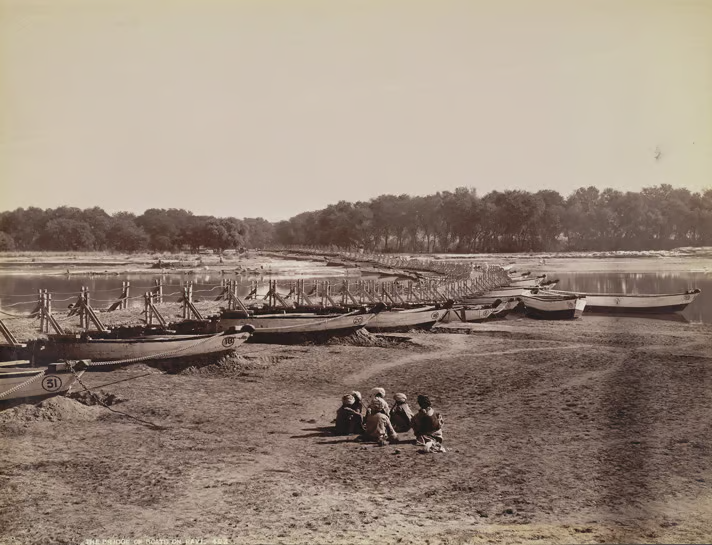
One of the most memorable Baisakhi scenes in pre-Partition Lahore unfolded on the banks of the River Ravi. The riverfront became a festive world of its own. As April began, markets filled with seasonal treats, and people took this as a sign that Baisakhi was near. By the morning of the festival, Lahore’s Hindu and Sikh residents would begin making their way to the Ravi before sunrise.
The riverbank, especially near the bridge, turned into a place of energy and anticipation. Boats lined the shore. Crowds gathered in large numbers. There were separate arrangements for men and women to perform ritual bathing, which was an important part of the day’s observance. The atmosphere was charged with devotion, excitement, and spectacle.
Among the biggest attractions were the expert swimmers who leapt dramatically from the bridge into the river below. Their daring performances drew the attention of the crowds and became part of the fair’s public theatre. The ritual bathing continued until shortly before sunrise had fully broken. Once the day grew hotter, people gradually returned home, carrying with them the feeling of a morning well spent in celebration.
Eminabad and the Festival Beyond the City
Though Lahore had its own riverside celebrations, Eminabad remained one of the major Baisakhi destinations in the wider region. A large fair was held there, complete with theatre, wrestling, and popular amusements, and some Lahore families would travel specifically to experience it.
This detail is important because it shows how Baisakhi existed on multiple levels at once: as a neighbourhood custom, a city event, and a regional fair culture. Lahore was connected to these celebrations not only through ritual and memory, but through movement — people traveling outward, returning with stories, and participating in a much larger Punjabi springtime world.
Music, Movement, and the Rough Edges of Festivity
Baisakhi in Lahore was not a quiet festival. It was loud, physical, and deeply public. Villagers arrived in groups with dhol, dancing bhangra, singing improvised verses, and filling places like the riverfront and Shalimar with noise and movement. It was a peasant festival in the truest sense: tied to the agricultural cycle, grounded in collective release after labour, and shaped by rural performance traditions.
Like many large fairs, however, it also had its rough edges. Competitions between performers or wrestlers could turn into arguments. Drunkenness sometimes caused disruption. Fights occasionally broke out and even created moments of panic in the crowd. Yet what is striking in these recollections is how quickly the fair returned to life. Once tempers cooled or one side retreated, the celebration resumed with the same spirit as before. It was as if the fair itself possessed a momentum greater than any one disturbance.
This too is part of the truth of old festivals: they were not sanitized spectacles, but living, unpredictable, human gatherings.
A Shared Festival in a Shared City
Perhaps the most beautiful aspect of Baisakhi in Lahore was that, while it had strong associations with Sikh tradition, it was never experienced only as a religious festival. In Lahore’s culturally mixed society, Hindus, Sikhs, Muslims, and Christians all formed part of the social environment in which such fairs took place. Farmers of every background had reason to celebrate the harvest. The joy of a good crop did not belong to a single creed.
That is why Baisakhi in Lahore once carried such a distinct cultural meaning. It created moments of contact between communities. People saw each other’s customs, heard each other’s music, and moved through the same celebratory spaces. These festivals helped make Lahore not only a city of monuments and markets, but also a city of shared public life.
What Was Lost After Partition
After the Partition of India, Lahore’s cultural diversity was profoundly altered. Many of the city’s older traditions, especially those rooted in shared community life, faded or were displaced. Baisakhi was one of them.
Today, the festival is observed in Lahore mostly by Sikh pilgrims coming from across the border, and while that continuity matters, it is not the same as the Baisakhi Lahore once knew. The city that had once drawn people from different areas to witness its fairs gradually forgot a celebration that had once been woven into its social fabric.
This forgetting says something larger about modern Lahore. In a city where joy already feels scarce, even the few inherited forms of collective celebration are often treated with hesitation. Shared dances, music, harvest rituals, and seasonal festivity have increasingly given way to narrower ways of thinking about culture. But the smile on a farmer’s face at harvest time has never belonged to sectarian boundaries. It belongs to the earth, to labour, and to relief.
Remembering Baisakhi as Lahore’s Lost Colour
Baisakhi remains one of the brightest reminders of Lahore’s lost pluralism. It recalls a city where spring could bring people together, where the riverbank could become a festival ground, where harvest joy could flow into music and ritual, and where cultural life was still broad enough to hold many meanings at once.
To remember Baisakhi in Lahore is not merely to remember a Sikh festival, or even only a harvest festival. It is to remember a more generous city, one that knew how to celebrate the land, honour labour, and make room for shared happiness.
And perhaps that is why Baisakhi still matters. Even in absence, it survives as a luminous trace of Lahore’s missing colours.