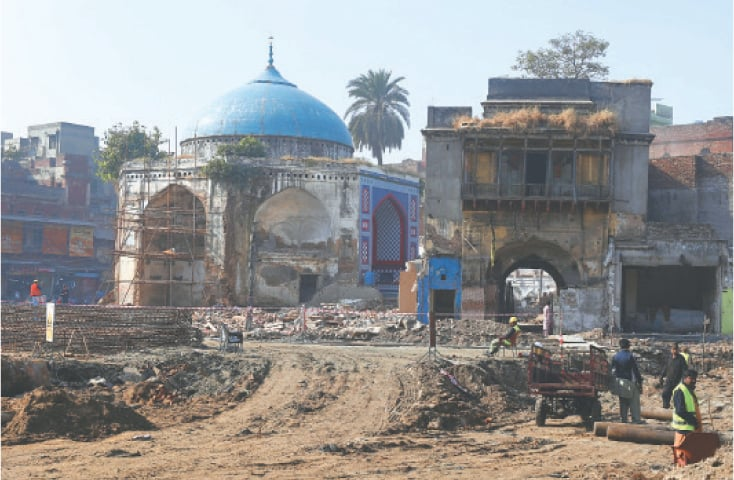
Standing proudly on an elevated mound in the heart of Multan, Killa Kohna Qasim Bagh is more than just a historic fort—it’s a testament to resilience, a witness to empires, and a keeper of stories that stretch back thousands of years. As the sun casts its golden light over the ancient bastions and the surrounding gardens, you can almost hear the echoes of battles fought, dynasties that rose and fell, and the devotion of saints who made this place their eternal home.
The Ancient Foundations: A Fort Born from the Mists of Time
The story of Killa Kohna Qasim Bagh begins in antiquity, long before the pages of recorded history were fully written. According to various historical accounts, the original fort was built by the Katoch Rajput Dynasty of Kangra, or the Trigarta kingdom, between 800 and 1000 B.C., making it one of the oldest fortifications in the Indian subcontinent. Built strategically on a high mound separated from the city by the old bed of the River Ravi (and River Chenab), the fort served as Multan’s primary defensive bastion against invaders from the west and north. This wasn’t just any military installation; it was the guardian of one of the region’s most important trade and cultural centers.
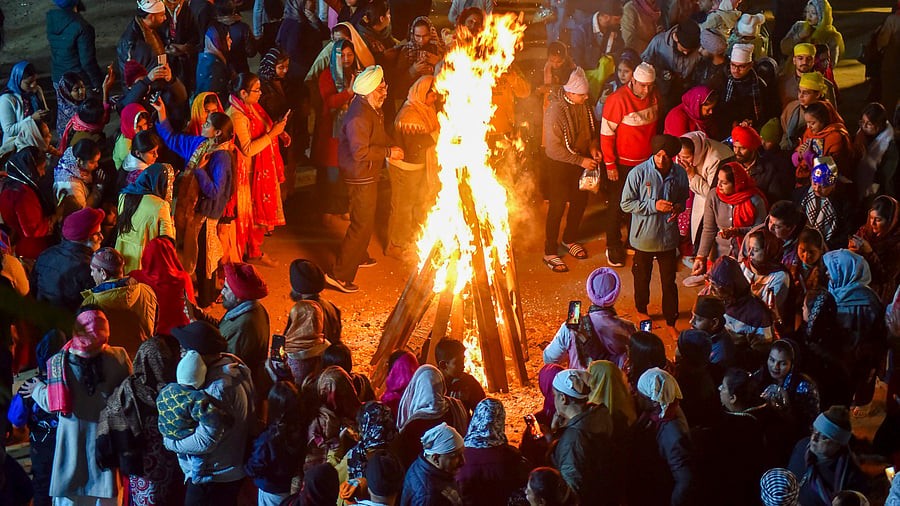
The fort’s original name, Katochgarh, reflects its Rajput origins. However, like many great monuments, it was destroyed and rebuilt multiple times throughout its long history. Each reconstruction added new layers to its story, new architectural elements, and new purposes. The fort that stands today is a palimpsest i.e. a manuscript on which successive generations wrote their own chapters. After its initial destruction, the fort was rebuilt by Ranghar chiefs near the city of Multan. During the medieval period, the fort became not just a military stronghold but also a symbol of power and prestige. The location on the hillock provided natural defensive advantages, with the river creating an additional barrier against potential attackers. Within the fort’s massive walls stood a citadel flanked by 30 towers, enclosing a Hindu temple and a Khan’s palace. The presence of the Prahladpuri Temple, dedicated to Lord Narasimha, the fourth avatar of Lord Vishnu, speaks to the fort’s ancient religious significance. According to popular legend, this is where the avatar manifested itself, and where the beloved festival of Holi commenced. The temple’s location adjacent to the fort walls created a unique blend of military and spiritual architecture that defined Multan’s character.
The Mughal Transformation: When Empires Left Their Mark
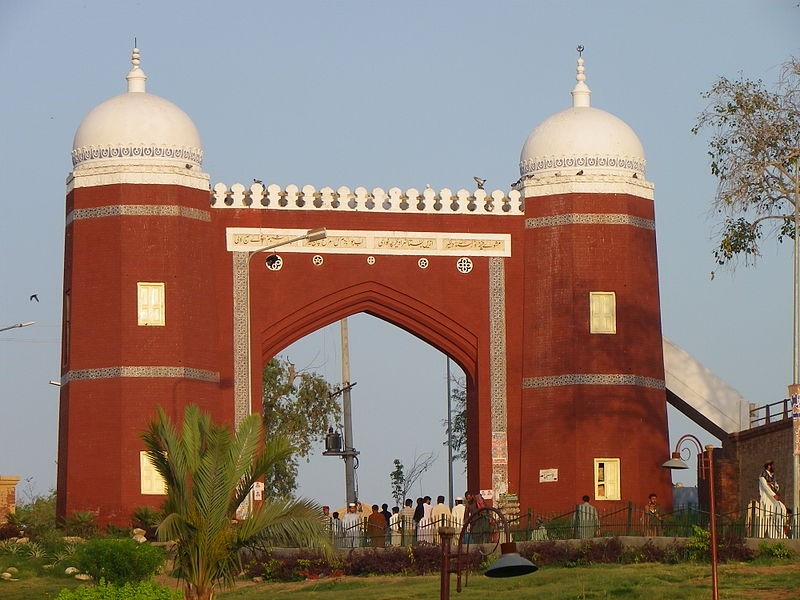
The fort’s most significant transformation came during the Mughal period. When Emperor Akbar established the Subah of Multan with its headquarters at Multan city, the fort underwent extensive renovations and expansions. The Mughals, known for their architectural genius, left an indelible mark on the structure. Contemporary reports from the Mughal era describe the fort as a formidable defensive installation with walls reaching 40 to 70 feet in height and a circumference of 6,800 feet. The fort boasted 46 massive bastions, including two flanking towers at each of its four gates: the De Gate, Sikki Gate, Hareri Gate, and Khizri Gate. To further strengthen its defenses, a ditch 25 feet deep and 40 feet wide surrounded the structure, along with an 18-foot glacis that protected it from intruders. The Mughal architectural influence brought intricate stone carvings, ornate tile work, and imposing bastions that still speak to the fort’s rich history. The craftsmanship and engineering prowess displayed in the fort’s design reflect the Mughal tradition of blending functionality with aesthetic beauty. Despite being centuries old, the remaining structures continue to exude an aura of majesty and power.
The Tragic Destruction: The British Siege of 1848-1849
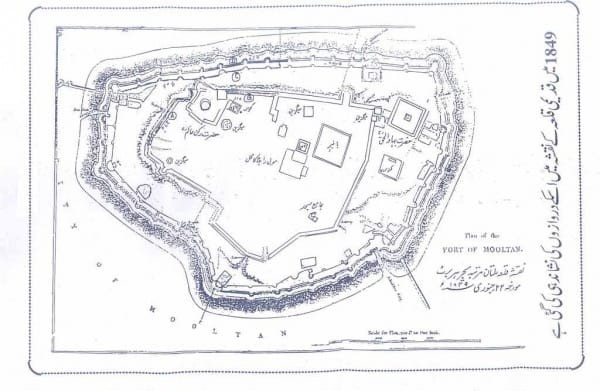
Perhaps the most dramatic and tragic chapter in the fort’s history came during British colonial rule. In 1848, during the Second Sikh War, a rebellion broke out in Multan. Lieutenant Alexander Vans Agnew was killed in the city on the orders of the Sikh governor, Diwan Mulraj Chopra. In August 1848, General William Whish led a British column to besiege Multan, and what followed was one of the most destructive episodes in the city’s history. The siege was brutal and protracted. In January 1849, British forces finally stormed Multan, but the victory came at a terrible cost to the city’s heritage. To avenge Lieutenant Vans Agnew’s death and to assert colonial dominance, the British systematically destroyed most of the fort between 1848 and 1849. The citadel was severely damaged by battering from British guns in 1818 and again during the final assault. Apart from the sacred shrines that were mercifully spared, very little of the original fort structure survived this devastating act of colonial retribution. The monument to Vans Agnew himself still stands within the fort premises, a reminder of the conflict that led to the destruction of centuries of architectural heritage. Today, what we see is a shadow of the fort’s former glory, but even these remnants carry immense historical significance.
The Sacred Space: Where Saints Rest
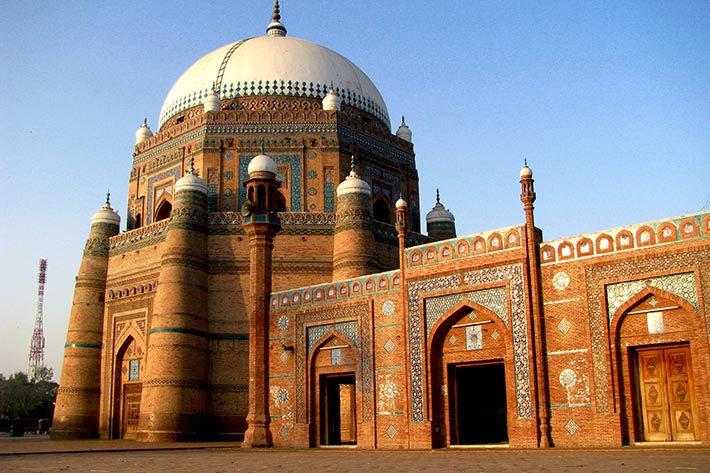
What makes Killa Kohna Qasim Bagh truly unique is its transformation into a sacred space. After the British destruction, the site evolved to encompass not just military remnants but also the revered shrines and tombs of Sufi saints that define Multan’s identity as the “City of Saints.” The gardens of Qasim Bagh surround these sacred spaces, creating a serene environment where history and spirituality intertwine. The lush greenery provides a peaceful contrast to the fort’s martial past, offering visitors a place for contemplation and connection with Multan’s rich Sufi heritage. The name “Qasim Bagh” itself reflects this evolution from a purely military installation to a garden that honors both history and faith.
A New Dawn: WCLA’s Conservation Efforts
After decades of neglect, Killa Kohna Qasim Bagh is finally receiving the attention and care it deserves. The Walled City of Lahore Authority (WCLA) has undertaken an ambitious conservation project to restore this historic site and return it to its former glory. According to official sources, WCLA’s conservation project is expected to be completed within 24 months from its initiation date. This represents a significant commitment to preserving Pakistan’s heritage beyond just Lahore, extending the authority’s expertise to Multan’s treasures. The scale of the restoration is impressive. The Punjab government has allocated approximately Rs 3 billion for the renovation and beautification of the historic site. As of July 2025, about 30 percent of the work has been completed, with a massive Rs 2 billion project underway to upgrade the topmost mound hosting the historical fort. The Director General of WCLA has made multiple site visits to review the ongoing conservation and development works. In July 2025, Ms. Maleeha Rashid visited the Qila Kohna Qasim Bagh project site to assess progress, demonstrating the high-level attention this project is receiving. More recently, in January 2026, DG Najmussaqib, along with Commissioner Multan Aamir Karim and Director Conservation Azeem Dad Khan, visited the site and expressed satisfaction with the works in progress.
The conservation project aims to:
- Restore Original Architecture: Using traditional techniques and materials to repair and reconstruct damaged portions while respecting the fort’s historical integrity.
- Beautify the Gardens: Enhancing Qasim Bagh’s landscape to create an inviting public space that honors both the military and spiritual heritage of the site.
- Promote Religious Tourism: With restoration work worth over Rs 2 billion focused on Qila Kohna Qasim Bagh and surrounding areas, the project aims to boost religious and cultural tourism in Multan.
- Improve Infrastructure: Creating better access, visitor facilities, and interpretive materials to help people understand the site’s historical significance.
- Protect for Future Generations: Implementing modern conservation standards to ensure that what survives of this ancient fort will endure for centuries to come.
Why This Matters: Heritage as Identity
The restoration of Killa Kohna Qasim Bagh is about more than just preserving old stones and walls. It’s about reclaiming a piece of our collective identity, honoring the memories of those who built and defended this fort, and ensuring that future generations can connect with their roots.
Multan’s character has been shaped by its position at the crossroads of civilizations. The fort witnessed the rise and fall of Hindu kingdoms, the arrival of Islam, the splendor of the Mughal Empire, and the trauma of colonial conquest. Each of these eras left its mark, and together they tell the story of resilience, cultural synthesis, and the enduring human spirit.
When you stand within the boundaries of Qasim Bagh today, you’re standing where soldiers once kept watch, where emperors planned their campaigns, where saints found peace, and where ordinary people sought protection and community for thousands of years. That connection to the past is invaluable, and WCLA’s conservation work ensures that this connection won’t be lost.
Looking Forward: A Heritage Site Reborn
As the conservation work progresses, Killa Kohna Qasim Bagh is poised to become not just a protected monument but a living heritage site that educates, inspires, and welcomes visitors from around the world. The integration of the fort’s military history with the spiritual legacy of the surrounding shrines and gardens creates a unique destination that reflects Multan’s multifaceted identity.
For heritage enthusiasts, historians, spiritual seekers, and curious travelers alike, the restored Killa Kohna Qasim Bagh promises to be a place where the past speaks to the present, where ancient walls tell stories of valor and devotion, and where the City of Saints reveals yet another facet of its timeless beauty.
The journey of Killa Kohna Qasim Bagh from ancient Rajput stronghold to Mughal fortress, from British destruction to contemporary restoration is a journey that mirrors Pakistan’s own complex history. As WCLA works to revive this remarkable site, we’re reminded that heritage conservation is an act of hope, a belief that what our ancestors built still has meaning for us today and for generations yet to come.
The fort may have been damaged, but it has never been defeated. Like Multan itself, it endures, adapts, and continues to inspire. And now, thanks to dedicated conservation efforts, this magnificent monument is being given the chance to shine once more, reminding us all of the rich tapestry of history that makes Pakistan’s cultural heritage so extraordinary.